
My Portfolio

For years, the Philippines has lived with the reality of an unstable and expensive energy supply. From frequent power interruptions to rising electricity bills, the signs of an energy crisis are no longer subtle—they’re part of everyday life for millions of Filipinos.
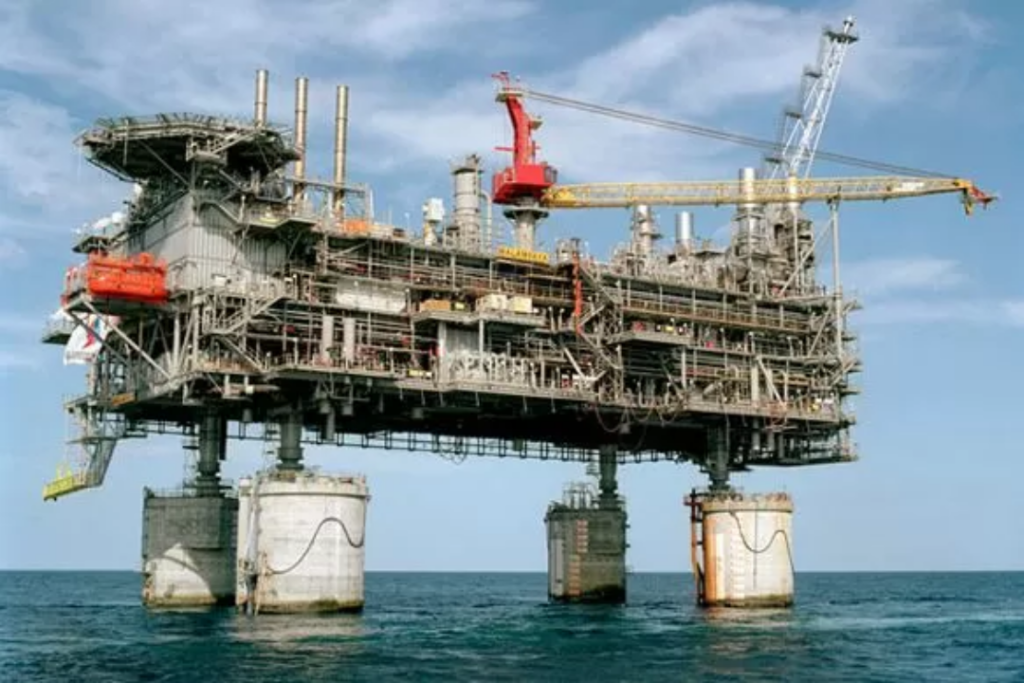
At the heart of the problem is the country’s heavy dependence on imported fuel. Around half of our power generation relies on coal, much of which comes from abroad. When global prices spike or supply chains falter, the Philippines feels the impact immediately. This vulnerability makes electricity not only costly but also unpredictable.
Another major issue is the aging and insufficient power infrastructure. Many of our power plants are decades old, and new ones are not being built fast enough to meet growing demand. As the population increases and industries expand, the gap between supply and demand widens, leading to the rotating brownouts that have become all too familiar in several regions.
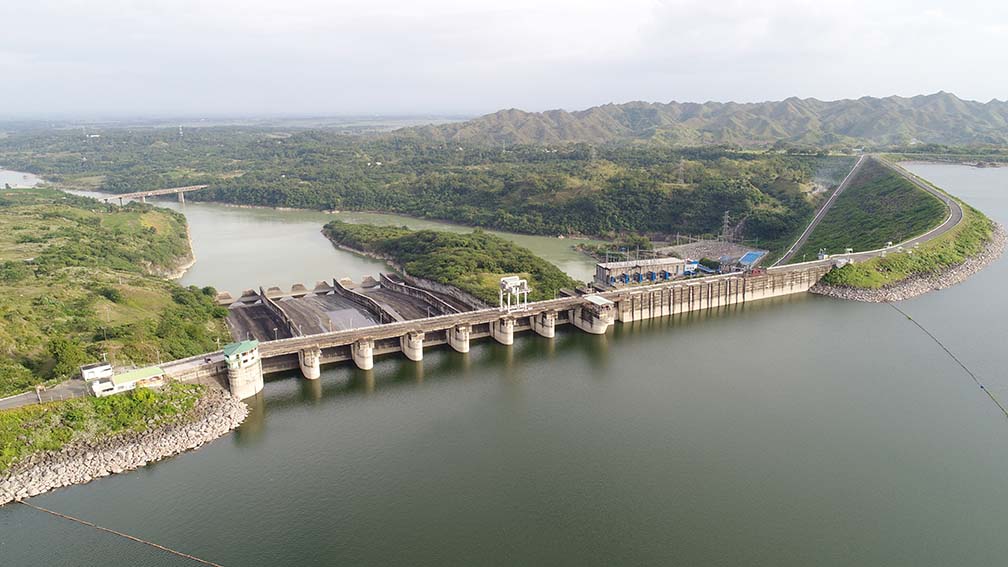
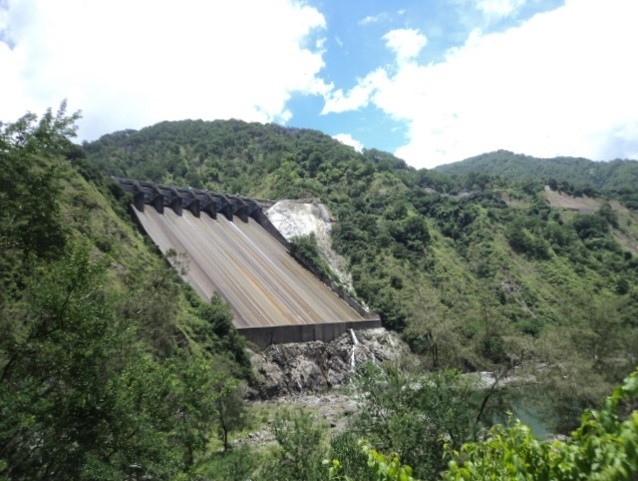
Renewable energy offers a promising path forward. The Philippines is rich in natural resources—sun, wind, water, and geothermal heat—that could power the nation sustainably. Yet progress remains slow due to regulatory hurdles, investment challenges, and delays in connecting renewable projects to the grid.
The energy crisis is not just a technical problem; it affects education, healthcare, business, and daily life. Students struggle to study during outages. Small businesses lose income. Households stretch their budgets to pay rising bills. The longer the crisis persists, the more it holds back national development.
Solving this issue requires decisive action: modernizing infrastructure, diversifying energy sources, encouraging renewable investments, and strengthening government policies. The Philippines has the potential to build a more secure and sustainable energy future. What’s needed now is the collective will to make it happen.